Localized work
Repair a sound run
A leaking joint, loose hanger or displaced downspout may be addressed without replacing every gutter when the metal and supporting fascia are sound.
Seagoville Roofing Group
Overflow at the eaves can come from a blocked outlet, a sagging gutter or a drainage run that no longer fits the roof above it. Gutter repair and installation in Seagoville starts by following where the runoff goes.
A gutter needs to catch the water leaving the roof, carry it to an outlet and discharge it through the downspout. If one part of that path fails, the spill can look much the same from the yard. Clearing debris will not fix a run pitched away from its outlet.
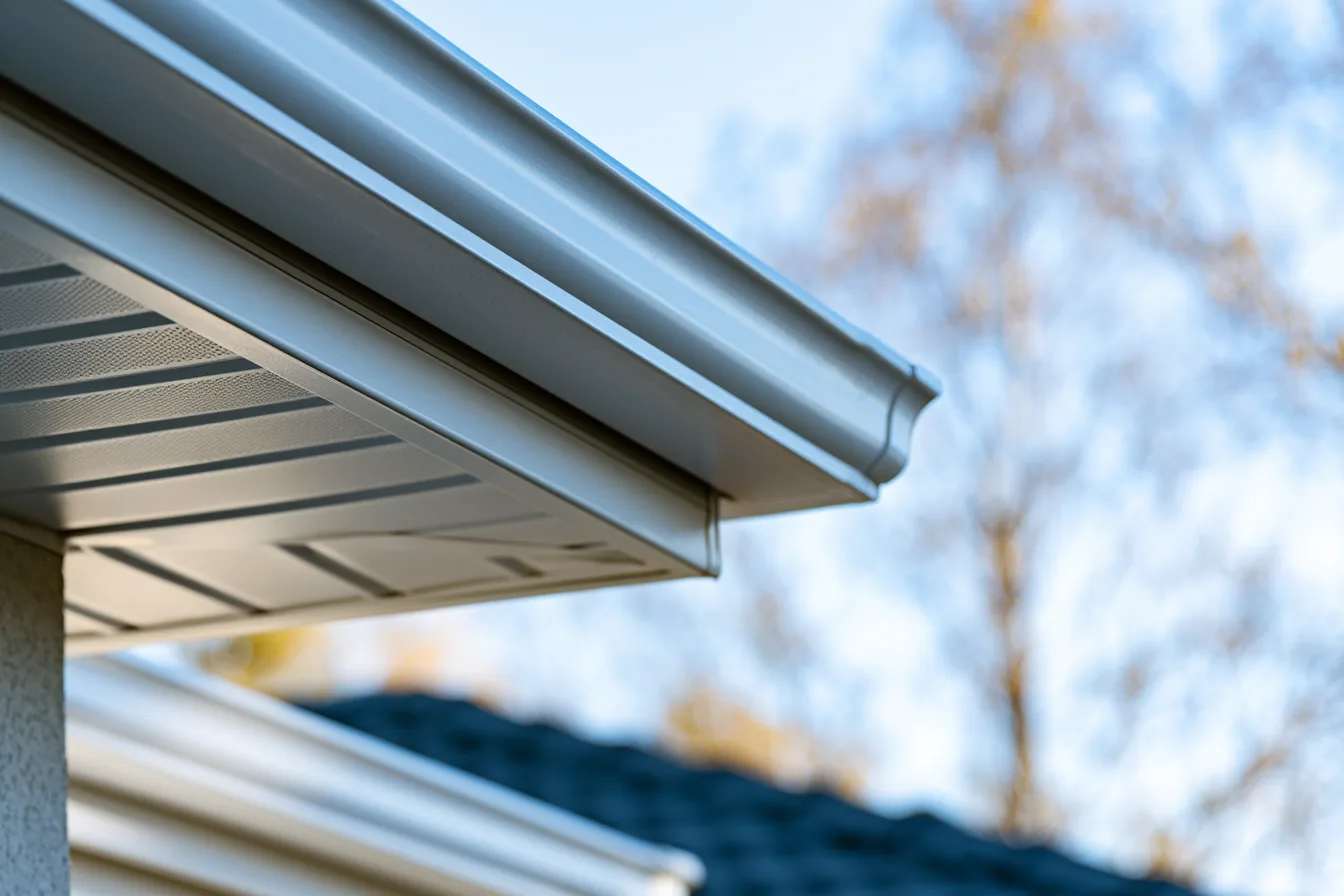
The roof edge matters too. Water can pass behind a gutter when the edge detail is wrong, and loose fasteners can point to damaged fascia behind the metal. A useful assessment looks at the attachment and roof connection as well as the trough.
Localized work
A leaking joint, loose hanger or displaced downspout may be addressed without replacing every gutter when the metal and supporting fascia are sound.
New gutter run
Corrosion, repeated joint failures or a badly distorted run can make replacement more practical than another seal. The new section still needs the correct pitch and secure support.
Runoff planning
A roof valley can deliver concentrated water into a small area. Outlet location, gutter size and downspout routing should fit that flow rather than simply repeat the old layout.

Drip edge and the roofing edge should direct water into the gutter. A leak behind it may start with that connection.
Soft fascia cannot hold a secure gutter attachment. Repairing the support can be part of restoring the run.
Downspouts need to remain connected and clear. Discharge should be planned for the site so water is not simply released against the building.
During roof replacement, access to the eaves makes it useful to consider gutter condition and edge repairs together. Existing sound gutters may still be usable.
The outlet may be partly blocked, the run may have a low spot, or concentrated roof runoff may exceed what the current layout can carry. The cause needs to be checked before choosing a repair.
No. Guards can reduce some debris, but material can still collect at the surface or around outlets. The design also needs to handle water coming from valleys and steep roof sections.
No. Their condition and how they connect to the new roof edge determine whether they can remain. Loose attachment, damaged metal or poor drainage may make coordinated replacement useful.
Backed-up water at a vulnerable roof edge can contribute to a leak, but the indoor stain alone does not establish the cause. A roof repair inspection follows the water path.
Start with a free inspection
Describe where water spills, leaks or runs behind the gutter. A free roof inspection can help establish the roof-edge work needed.