Potential fit
A stable assembly that can be prepared
A dry roof with sound attachment and a compatible surface may be a restoration candidate after the required repairs and tests.
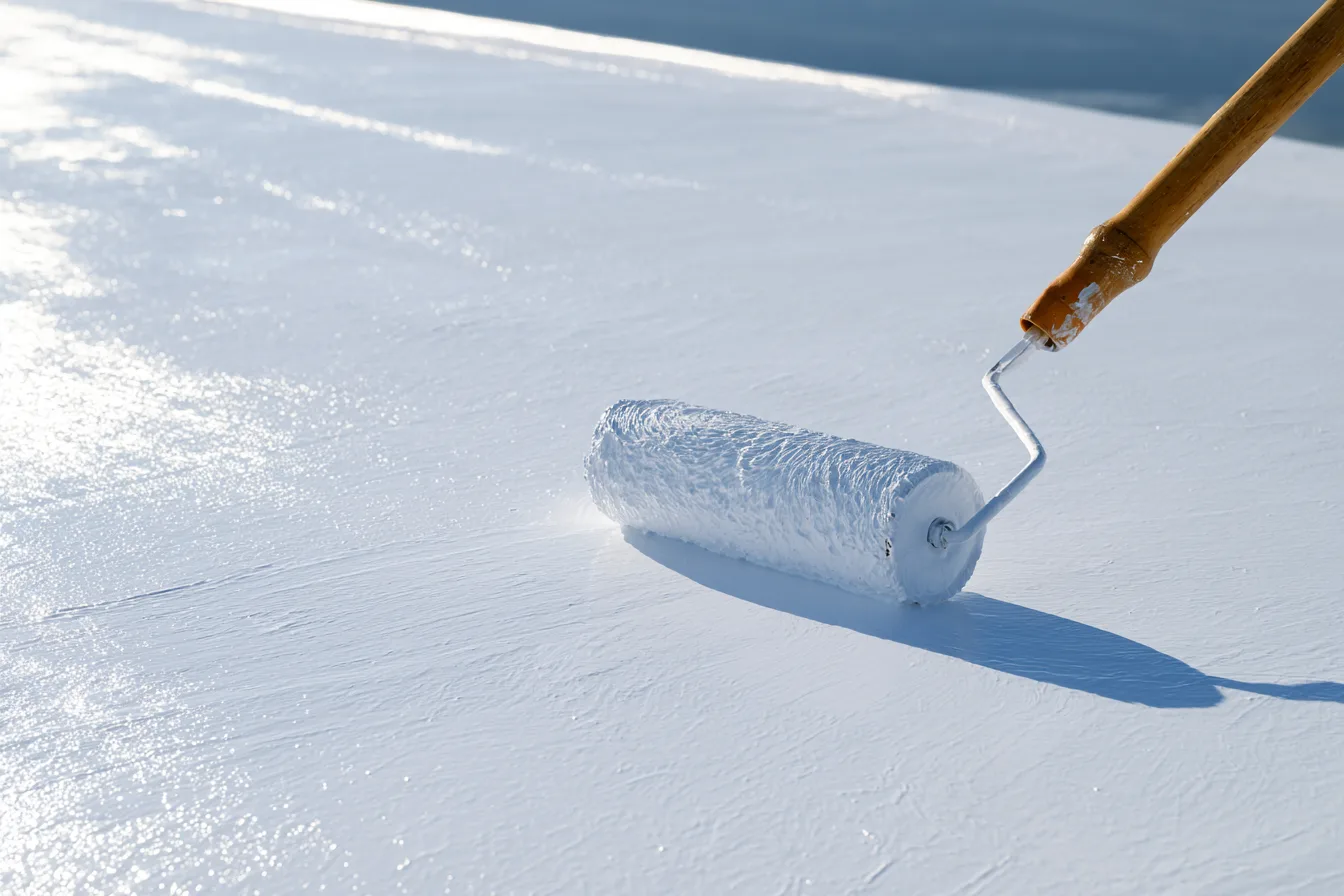
Seagoville Roofing Group
A roof coating can be a useful restoration option for a suitable commercial roof. The first step in Seagoville is finding out whether the existing assembly is dry, stable and compatible with the proposed coating.
Coating an existing roof keeps much of that roof in place. That only makes sense when the retained material can continue to serve as a sound base. Water trapped in insulation, loose membrane or deteriorated decking cannot be restored by covering the surface.
The evaluation therefore comes before the product choice. Moisture assessment, attachment condition, adhesion testing and drainage help establish whether restoration is a sensible project. Existing leaks and wet sections need to be corrected as part of the preparation.
Potential fit
A dry roof with sound attachment and a compatible surface may be a restoration candidate after the required repairs and tests.
Resolve the base
Trapped moisture and loose material need to be addressed first. The amount of affected roof may make replacement more useful than restoration.
Correct the cause
A coating does not move a drain or raise a low area. Flat roof repair may need to address the drainage or underlying assembly before a coating is considered.
Assess moisture, attachment, drainage and the surface the coating would bond to.
Address wet sections, open seams, damaged flashing and other failures identified in the scope.
Clean and prepare the surface, complete adhesion testing and apply primer where the selected system requires it.
Treat seams, penetrations and drains, then apply the specified coating system at its required coverage and conditions.
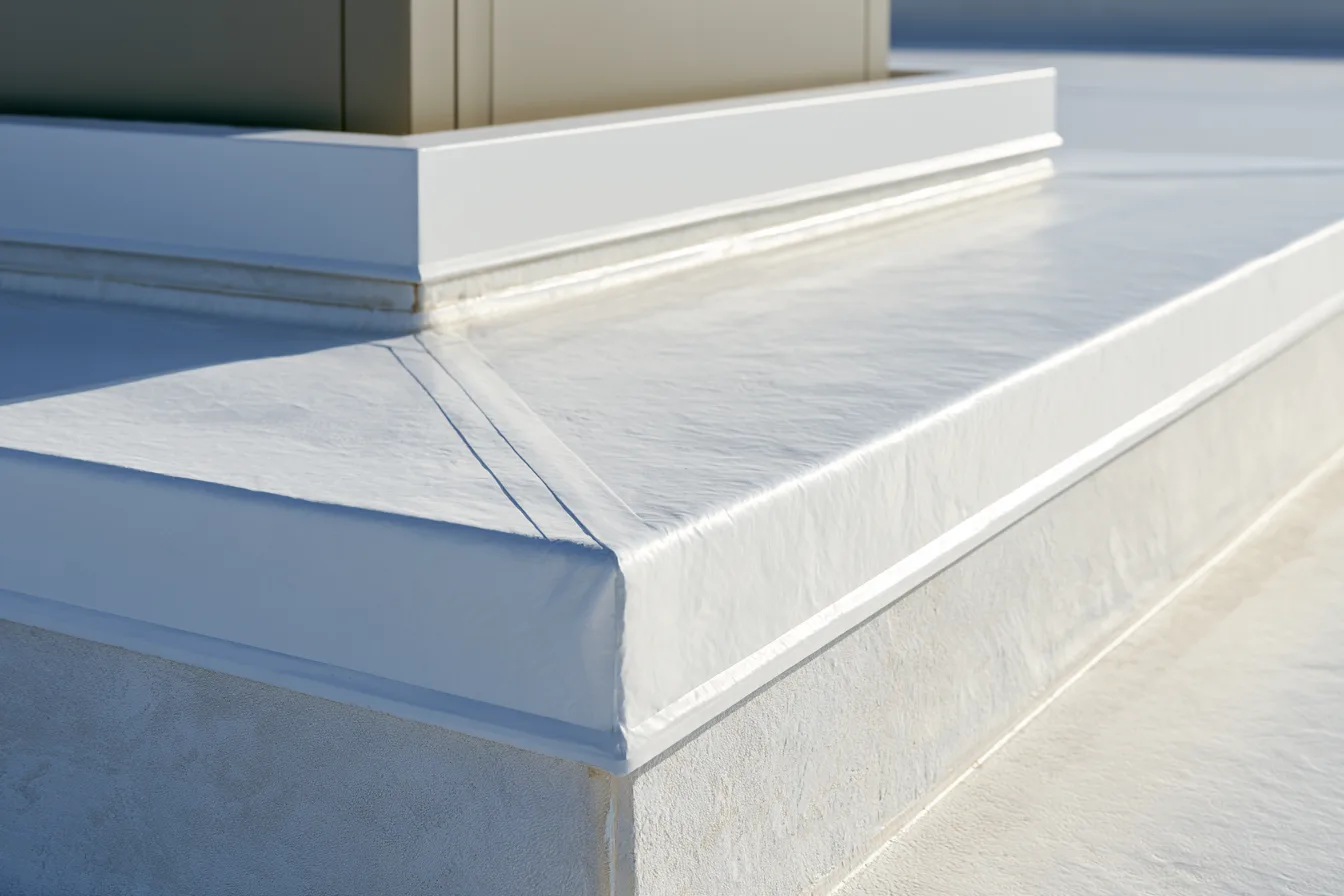
An aged TPO roof and a different existing surface can need different preparation. The product system must be approved for the substrate.
A clean appearance does not prove a coating will bond. Testing helps establish the preparation and whether a primer is needed.
Product requirements govern the conditions a coating can tolerate and the conditions suitable for application. Ponding-water limitations should be part of the system selection.
Equipment service and later repairs still need care on a restored roof. Compatible maintenance materials and the actual warranty terms matter after application.
It can preserve sound roofing on a suitable project. It does not eliminate the need to remove wet or failed material, and an unsuitable roof should not be coated simply to avoid removal.
Possibly. The TPO membrane needs an appropriate condition assessment and compatible preparation. Moisture and adhesion findings determine whether the proposed restoration is suitable.
Roof area, cleaning, repairs, wet-material removal, access, detail work and the selected system all affect the price. A low price per square foot is not useful without knowing what preparation it includes.
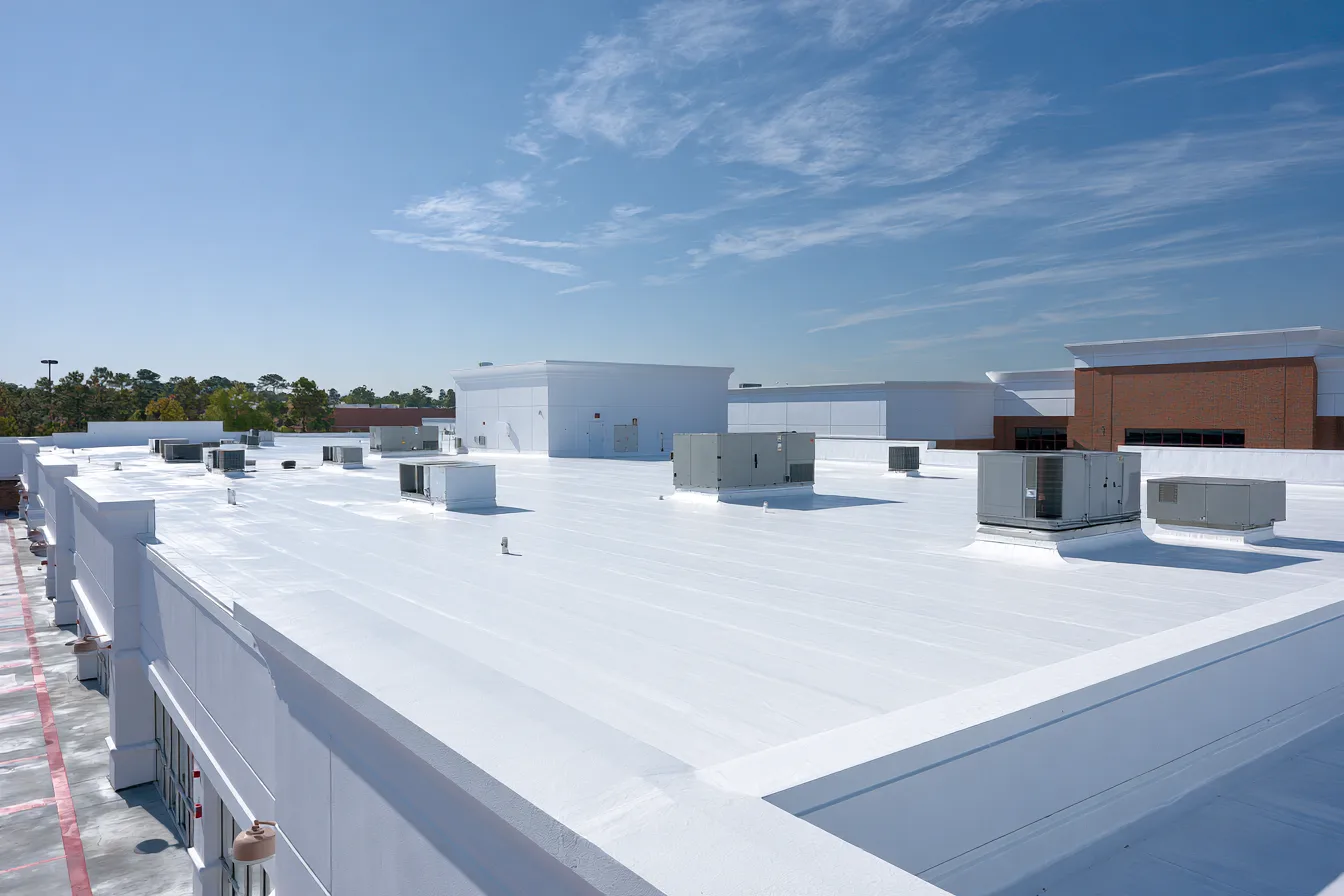
Access, material handling, rooftop equipment and application conditions need to be planned around the property. Restoration can keep sound roofing in place, but the actual work still needs a building-specific sequence.
Start with a free inspection
Start with a free roof inspection to find out whether restoration belongs among your options.